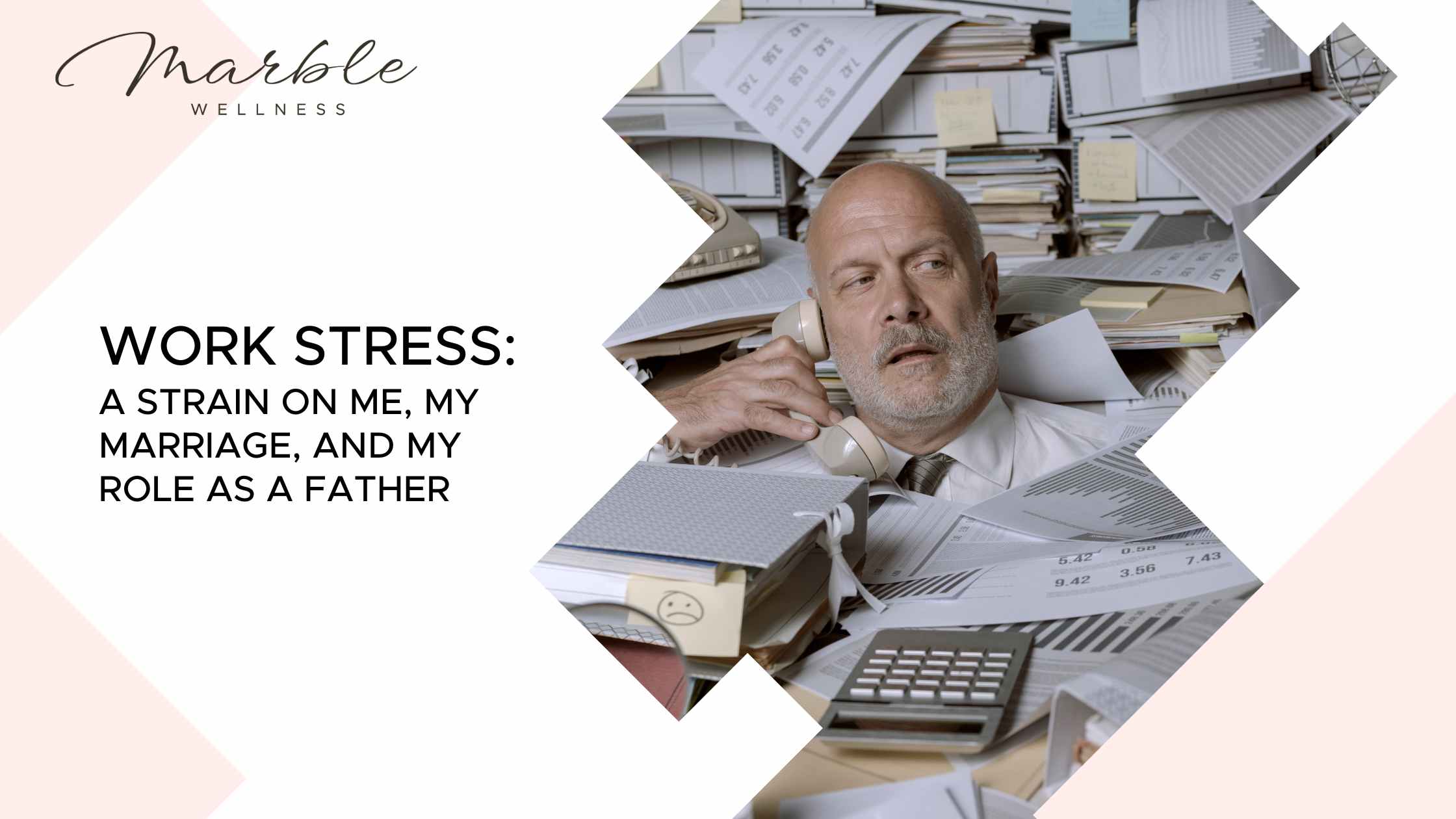
Starting over in life can feel both brave and brutal at the same time. Whether you are relocating, divorcing, changing careers, or reinventing who you are, these transitions touch every area of your life: your body, your schedule, your friendships, your finances, and your sense of self. It makes sense if you feel exhausted, hopeful, scared, and strangely numb all in the same week.
“Starting over isn’t a single decision. It’s a hundred tiny choices to keep going when you’re not sure what the future looks like yet.”
This post is for you if you’re in the middle of a major life change and wondering why you feel so off, so tired, or so overwhelmed. It’s also for you if you’re the one everyone thinks is “handling it so well,” while you’re quietly falling apart on the inside.
Here’s the truth: there is nothing wrong with you. You are a human being going through a massive transition. You deserve support.
Why big life changes feel so heavy
Any significant change demands energy. Your brain and body are wired to prefer what is familiar, even when the old life wasn’t working anymore. So when you move, divorce, or completely redesign your life, your system is on high alert, trying to figure out what’s safe.
You might notice:
- Difficulty concentrating, zoning out, or feeling scattered
- Irritability or snapping more easily at your kids or partner
- Trouble sleeping, early morning waking, or sleeping more than usual
- Changes in appetite (barely hungry or stress eating)
- Frequent “What have I done?” thoughts
The emotional toll is often heavier than you expect. Even when you choose the change, there is still grief for the life you thought you’d have. People often underestimate how much grief comes with “good” changes, too, like a new job in a new city, a fresh start after a divorce, or finally leaving a toxic situation.
The hidden grief of starting over
It’s easy to see the practical tasks: packing boxes, signing papers, updating your address, figuring out co-parenting schedules, or learning a new job. What’s harder to see is the grief underneath.
You might be grieving:
- A home or neighborhood where you knew every shortcut
- A marriage or relationship you tried so hard to save
- Traditions, friend groups, and routines that made you feel anchored
- The version of yourself who believed life would go a different way
Grief in transitions doesn’t always look like crying. Sometimes it shows up as numbness, overworking, scrolling your phone late at night, or keeping yourself too busy to feel anything at all.
“Just because you chose this change doesn’t mean you lost the right to grieve what it cost you.”
Letting yourself name the losses is not being negative. It’s being honest. That honesty can soften your inner critic and make space for healing.
Divorce: the emotional layers people don’t see
Divorce is one of the most stressful life events you can go through, even if it was clearly the right decision. You’re not just ending a relationship. You’re untangling a shared life.
Common emotional layers include:
- Guilt about how the separation affects the kids
- Anger about things that happened in the marriage
- Fear about finances, dating again, or being alone
- Confusion about your identity outside of “us.”
- Relief that brings its own kind of guilt
If you have kids, you are also holding their grief alongside your own. You may be splitting time between homes, navigating co-parenting or parallel parenting, and trying to create stability when you barely feel stable yourself. Expecting yourself to “bounce back” quickly isn’t just unrealistic. It’s unkind.
Therapy around divorce often focuses on:
- Making sense of what happened without getting stuck in blame
- Learning how to communicate (or limit contact) with a former partner in healthier ways
- Supporting kids through their own adjustment
- Rebuilding your self-worth and identity
You’re allowed to say, “This is too much to carry alone,” and let someone help you sort through the mess.
Relocating: when a fresh start still hurts
Relocation can look glamorous or exciting from the outside. New city, new home, maybe a bigger job or better schools. But even positive moves can shake your foundation.
You may feel:
- Lonely, even with friendly coworkers or neighbors
- Disconnected from your routine, gym, faith community, or favorite coffee shop
- Overwhelmed by small decisions like which grocery store to choose
- Homesick for the familiar sounds, routes, and faces of your old life
In places like Ballwin, Kirkwood, Chesterfield, Clayton, St. Charles, O’Fallon, Wentzville, and the surrounding St. Louis suburbs, many families relocate for work or to be closer to extended family. On paper, it can feel like the “right” choice. In your body, it can feel like culture shock.
For kids and teens, relocation can also mean:
- Losing daily contact with close friends
- Starting over socially at school
- Adjusting to new expectations or school cultures
Therapy can be a space where you unpack the mixed feelings around a move, instead of forcing yourself to “just be grateful.”
Reinventing your life: choosing a new identity
Sometimes starting over isn’t triggered by a single event like divorce or relocation. Instead, it’s a deep internal shift. You realize you don’t want to live the way you’ve been living. You might change careers, step away from unhealthy patterns, leave certain friendships, or start naming needs you’ve ignored for years.
This kind of reinvention can feel powerful and terrifying.
It often comes with questions like:
- “Who am I if I’m not always the helper, fixer, or people-pleaser?”
- “What do I actually want when I’m not just reacting to everyone else’s needs?”
- “Is it selfish to choose a life that looks different from what others expect?”
This is where identity work in therapy can be incredibly grounding. You can explore:
- The stories you’ve carried about who you “should” be
- How family patterns, culture, or past relationships shaped those stories
- What you truly value now, in this season
- How to create boundaries that protect your time, energy, and mental health
You’re not broken for wanting something different. It’s often a sign of growth.
How therapy supports big life transitions
Major changes can make it hard to hear your own voice. You might be getting a lot of input from friends, family, coworkers, or even social media. Some of that is helpful. Some of it is just noise.
Therapy offers:
- A neutral, non-judgmental space focused on you
- Language for emotions that feel messy and tangled
- Tools for calming your nervous system when anxiety or panic spikes
- Support in making decisions that align with your values
In therapy for life transitions, you are not expected to have a clear plan. You’re allowed to say “I don’t know” and mean it. Together, you and your therapist can slowly figure out:
- What you’re leaving behind
- What you’re grieving
- What you want to carry into the next chapter
You do not have to process life-changing decisions only in your own head or in the shower at 11 p.m.
Coping strategies you can start today
You don’t have to wait until things are perfectly calm to take care of yourself. In fact, transitions are exactly when you need the basics the most.
Here are a few practical ways to support yourself:
- Lower the bar on “productivity.”
Give yourself permission to do less than usual while your system recalibrates. - Normalize mixed feelings.
You are allowed to feel relief and sadness, excitement and anxiety, all at once. - Keep a simple daily rhythm.
Aim for consistent wake/sleep times, a little movement, and one grounding activity (shower, coffee outside, short walk). - Choose one small, steady comfort.
The same mug in the morning, a favorite show, a weekly call with a safe friend. Familiarity soothes the nervous system. - Limit major new decisions.
If possible, avoid stacking more big changes on top. Give yourself time to adjust before taking on new commitments.
“Recovery from a big life transition is less about being strong and more about being supported.”
What this looks like for busy parents and professionals
If you’re a parent, you might feel like you don’t have the luxury of falling apart. The lunches still need to be packed, your boss still expects you on that call, and your kids still need to get to practice.
In that reality, support needs to be realistic and flexible.
This can look like:
- Short, focused therapy sessions that fit between work and pickup
- Learning quick regulation tools you can use in the car or at your desk
- Practicing kinder self-talk when you forget a form or miss a deadline
- Building in small “transition rituals” with your kids when your family life is changing
If you’re in or around the St. Louis area, from central neighborhoods to suburbs like Ballwin, Kirkwood, Chesterfield, Clayton, St. Charles, O’Fallon, Wentzville, and beyond, you’re not the only one juggling a demanding life while navigating major change. It’s okay to say that you’re overwhelmed, even if everyone around you seems to be pushing through.
When it might be time to reach out for help
You deserve support at any point in your transition, not only when things are “bad enough.” Still, there are some signs that reaching out for therapy could be especially helpful:
- You feel stuck in constant worry or rumination
- Your sleep, appetite, or energy is noticeably off for weeks
- You’re having trouble functioning at work, school, or home
- You’re snapping at the people you love most and feel guilty afterward
- You feel numb, detached, or unlike yourself
- You’re using alcohol, food, or screens to cope more than you’d like
Therapy can be a place where you don’t have to be “on” or hold everything together. At Marble Wellness, we work with people who are moving, divorcing, changing careers, or completely rewriting their story. You’re not too complicated, too much, or too late. You’re simply human in a hard season, and that’s exactly when therapy can make a difference.
You are allowed to start again slowly
Starting over doesn’t always look like a dramatic, cinematic transformation. Sometimes it looks like waking up, getting dressed, and doing the next right thing, even when your heart still aches. It looks like asking for help, saying “no” more often, and allowing yourself to be a work in progress.
You don’t have to have the whole next chapter figured out to take the next step.
If you’re in a major transition and want support in navigating the emotional toll, therapy for life changes can give you a place to land while everything else is shifting. If you’re local to the St. Louis region or the surrounding suburbs, consider connecting with a therapist at Marble Wellness to explore what support could look like for you in this season.
You are not behind. You are not broken. You are starting over, and you don’t have to do it alone.
Start Life Transitions Therapy in the St. Louis Area
If you live in the St. Louis metro area and are ready to improve your mental health, our expert St. Louis therapists are here to help. Not only do we have a team of therapists in Ballwin, MO, but we have also recently expanded to serve the Lake St. Louis and Wentzville area! Reach out to our Client Care Coordinator today to discuss your therapy options, both in-person and via online therapy in Missouri.
Contact Us!
Learn About Our Group Offerings

About Our St. Louis Area Therapists
The St. Louis area therapists at Marble Wellness are licensed mental health professionals serving clients in Ballwin, Lake St. Louis, and throughout the greater STL area, with online therapy in Missouri available across the state. Each member of our expert therapist team brings advanced training and extensive experience in areas like anxiety, depression, trauma, grief, life transitions, and relationship concerns.
When you reach out, you are matched with a therapist whose background, specialties, and style align with your goals so you can have both practical tools for right now and deeper insight for long-term change. To learn more about the therapists at Marble Wellness, visit our Meet Our Team page to read individual bios, specialties, and locations, and to take the next step toward the calmer, more fulfilling life you’ve been wanting.
Additional Counseling Services at Marble Wellness in St. Louis, MO
Marble Wellness Counseling services are designed to help set you on a path of living a more fulfilled, calm, and happy life. Our St. Louis area therapists have a variety of training backgrounds and areas of expertise. We have child and play therapists, therapists for teens, EMDR therapists, men’s mental health experts, couples therapists, and more! We specialize in anxiety, depression, grief, chronic illness, trauma & PTSD, life transitions, and maternal overwhelm. Our practice also specifically helps new moms with various postpartum concerns, moms in the thick of parenting, and moms with teens. We can also chat from wherever you are in the state with online therapy in Missouri. No matter where you are in your journey, we are here to help you thrive!