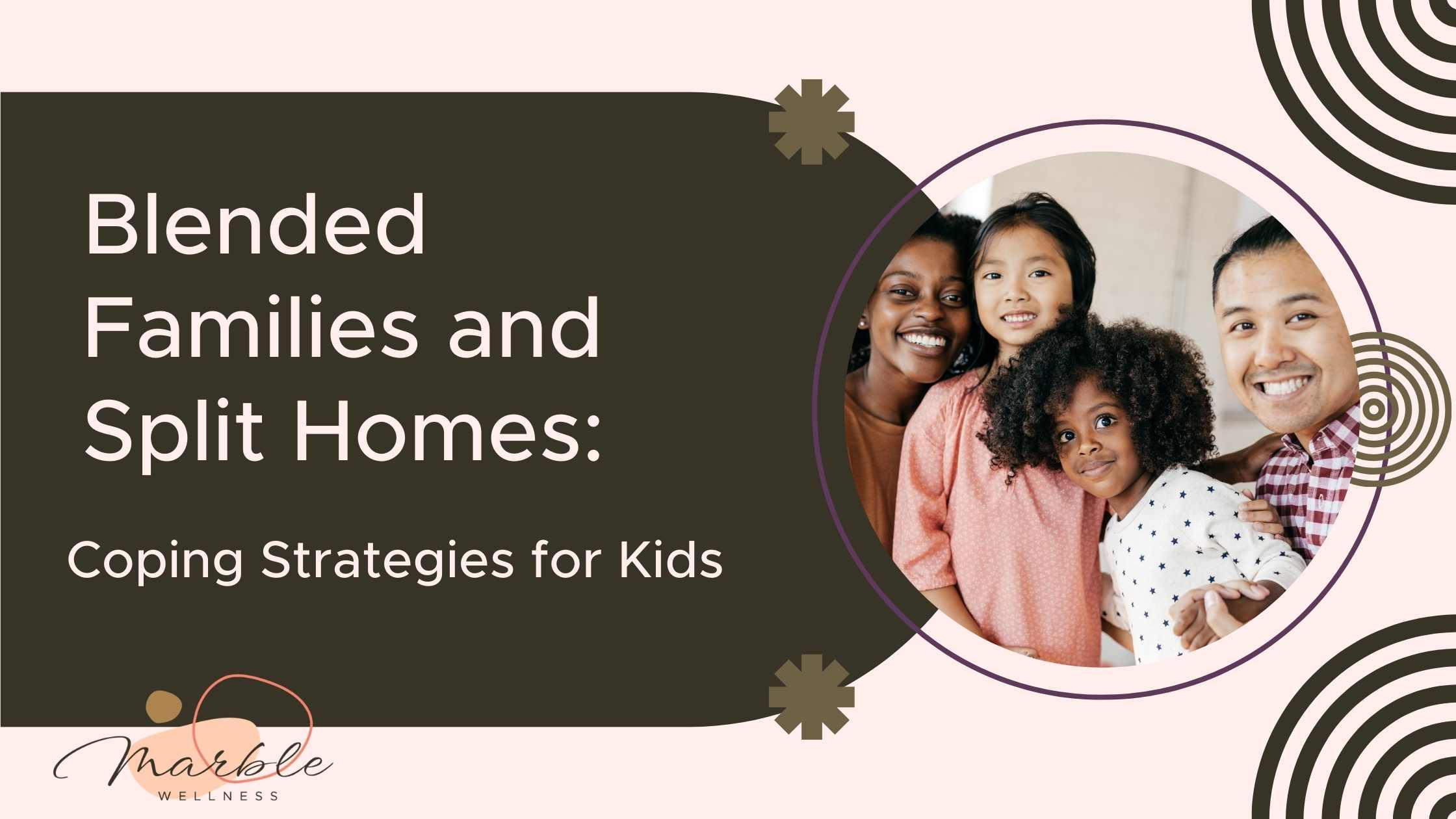
Summer can be a lovely season for kids, but for children of divorce or separation, it can also bring a lot of stress. The routine changes, the custody schedule shifts, and there is often more time to think, notice, and feel. For kids who already move between two homes, that extra space can make everything feel a little bigger.
That does not mean summer has to be hard. With a little planning, clear communication, and steady emotional support, you can help your child feel more secure and less overwhelmed all season long.
Why summer can feel harder for kids
During the school year, children usually have a built-in structure. School starts and ends at the same time, activities happen on a predictable rhythm, and routines stay fairly consistent. Summer removes a lot of that structure, which can be unsettling for kids who are already adjusting to divorce or separation.
You may notice more irritability, clinginess, big emotions, or resistance during transitions. Some kids get louder when they feel unsettled. Others get quieter. Either way, those reactions often mean your child is having a hard time managing change, not that they are being difficult on purpose.
Summer can also bring more comparison between homes. Kids may notice different rules, different vacation plans, or different levels of fun and freedom. That can stir up confusion, worry, or loyalty stress, especially if adults are not careful about keeping kids out of the middle.
Keep a simple summer rhythm
One of the best things you can do is keep a few parts of the day and week predictable. Kids do not need every moment scheduled, but they do need some dependable anchors. A summer rhythm helps them know what to expect, and that sense of predictability can reduce anxiety.
Try to keep these pieces steady:
- Wake-up and bedtime within a reasonable range.
- Meals and snacks at fairly consistent times.
- A weekly routine, like library day, pizza night, or a Saturday movie.
- A visible calendar that shows where your child will be and when.
If your child is moving between homes, a visual schedule can be especially helpful. Younger kids often do better when they can actually see the plan instead of trying to hold it all in their heads. Older kids may not admit it, but they usually appreciate knowing what is coming next, too.
Make transitions gentler
Transition days are often the hardest part of summer for kids in split homes. Even if they are excited to see the other parent, the shift itself can still be draining. Many children need time to settle before they can relax again.
You can help by keeping handoffs calm and low-pressure. Try not to pack the first day back with errands, guests, or a long to-do list. Instead, leave room for a snack, a quiet activity, or some time to decompress.
A few transition-day ideas:
- Keep the exchange routine the same when possible.
- Offer a familiar snack or drink in the car.
- Let your child decompress before asking lots of questions.
- Build in a low-key evening after a handoff.
If your child struggles with separation anxiety, a simple goodbye ritual can help. A hug, a phrase like “You’ll be okay, and I’ll see you soon,” or a small comfort item can make the transition feel less abrupt.
Communicate without putting kids in the middle
Summer often brings more scheduling changes, trips, and moving parts. That makes clear adult communication important. The more the grown-ups can handle directly, the less pressure the child feels.
Kids should not be the messengers between homes. They should not have to carry reminders, explain delays, or hear adult frustrations. Even well-meaning comments can make a child feel responsible for things that are not theirs to manage.
Helpful phrases include:
- “We have the plan handled.”
- “You do not need to worry about the grown-up details.”
- “We will let you know if something changes.”
- “It is okay to love time with both homes.”
When possible, keep summer communication practical and neutral. Focus on dates, times, camp plans, travel, and pickups rather than old hurt or conflict.
Offer emotional reassurance
Kids in divorced or separated families often carry feelings they do not know how to name. Summer can make those feelings more visible because there is more room for them to show up. Some kids feel sad about missing the other parent. Some feel guilty for enjoying themselves. Some feel pulled in two directions.
One of the most helpful things you can do is name what you see without trying to fix it too fast. For example:
- “It makes sense that this feels weird.”
- “You can miss one home and still enjoy the other.”
- “You do not have to choose sides.”
- “It is okay to have mixed feelings.”
This kind of emotional coaching helps kids feel seen instead of corrected. It also gives them a way to talk about their experience without fear of making a parent upset.
Protect downtime
It can be tempting to fill every summer week with camps, vacations, playdates, and activities. Some structure is helpful, but too much can leave kids exhausted. Children in split homes often need a balance between activity and rest.
Open time gives kids a chance to settle their nervous system. It gives them space to play, create, daydream, and process. It also helps transitions between homes feel less chaotic when the rest of the calendar is not overbooked.
A good rule of thumb is to keep one or two anchor activities and leave some room around them. That gives summer a shape without making it feel packed. Kids usually do better when the season feels both fun and manageable.
Support different homes with grace
Many children notice that each home has different rules. That is normal. What matters most is how the adults talk about those differences. Kids need help understanding that two homes can be different without either home being “bad”.
You can support that by saying:
- “Every house has its own rules.”
- “At this house, this is how we do it.”
- “You do not need to carry messages between us.”
- “You can love both places.”
It also helps to stay consistent with your own rules. Children feel safer when they know what to expect at your house, even if the other home works differently.
Create small summer rituals
Simple rituals can help kids feel anchored, especially when life already feels split. These do not have to be elaborate. In fact, the smaller and more repeatable they are, the more powerful they often become.
Some easy ideas include:
- A special snack after exchanges.
- A weekly one-on-one walk or ice cream date.
- Friday night pizza or Sunday pancakes.
- A summer journal or photo notebook.
These rituals can become little signals that say, “You are home now,” or “You are okay here.” That sense of belonging matters a lot for children who are navigating two households.
Know when to get support for your kids and family
Sometimes summer stress shows up as bigger sleep issues, frequent tearfulness, angry outbursts, or persistent anxiety around transitions. If your child seems stuck, overwhelmed, or unable to settle, therapy can be a helpful next step.
A therapist can help your child process the grief, confusion, and pressure that can come with divorce or separation. Therapy can also give parents space to think through co-parenting stress, communication, and routines that support the child more effectively. At Marble Wellness, that kind of support is often part of the work we do with families in Ballwin, Kirkwood, Clayton, Chesterfield, St. Charles, O’Fallon, Wentzville, Union, and Warrenton.
Making this Summer the Best it Can Be
You do not have to make summer perfect. You just have to make it steady enough for your child to feel safe inside of it. Small changes can go a long way when they are thoughtful and consistent.
This week, try one or two of these:
- Make a simple summer calendar for your child.
- Add one calming ritual to transition days.
- Keep one weekly one-on-one time with each child.
- Practice one validating sentence, like “I believe you” or “That makes sense.”
If your family is navigating divorce or separation this summer, you are not alone. A little structure, a little softness, and a lot of consistency can help your child move through the season with more confidence and less stress.
Start Therapy in the St. Louis Area
If you live in the St. Louis metro area and are ready to improve your mental health, our expert St. Louis therapists are here to help. Not only do we have a team of therapists in Ballwin, MO, but we have also recently expanded to serve the Lake St. Louis and Wentzville area! Reach out to our Client Care Coordinator today to discuss your therapy options, both in-person and via online therapy in Missouri.
Contact Us!
Learn About Our Group Offerings

About Our St. Louis Area Therapists
The St. Louis area therapists at Marble Wellness are licensed mental health professionals serving clients in Ballwin, Lake St. Louis, and throughout the greater STL area, with online therapy in Missouri available across the state. Each member of our expert therapist team brings advanced training and extensive experience in areas like anxiety, depression, trauma, grief, life transitions, and relationship concerns.
When you reach out, you are matched with a therapist whose background, specialties, and style align with your goals so you can have both practical tools for right now and deeper insight for long-term change. To learn more about the therapists at Marble Wellness, visit our Meet Our Team page to read individual bios, specialties, and locations, and to take the next step toward the calmer, more fulfilling life you’ve been wanting.
Additional Counseling Services at Marble Wellness in St. Louis, MO
Marble Wellness Counseling services are designed to help set you on a path of living a more fulfilled, calm, and happy life. Our St. Louis area therapists have a variety of training backgrounds and areas of expertise. We have child and play therapists, therapists for teens, EMDR therapists, men’s mental health experts, couples therapists, and more! We specialize in anxiety, depression, grief, chronic illness, trauma & PTSD, life transitions, and maternal overwhelm. Our practice also specifically helps new moms with various postpartum concerns, moms in the thick of parenting, and moms with teens. We can also chat from wherever you are in the state with online therapy in Missouri. No matter where you are in your journey, we are here to help you thrive!